Programme Partners
A Programme Partner is an organisation formally recognised by StopNCII.org that makes a significant contribution and actively engages in the full programme.
In addition to utilising StopNCII.org’s hash-matching technology to combat non-consensual intimate image (NCII) abuse across their platforms and/or services, Programme Partners play a proactive role in advancing the initiative’s reach, scale and impact. Programme Partners are reviewed and accepted into the programme, and their logo is publicly listed on this webpage.
With a full StopNCII.org partnership, platforms benefit from a deeper level of engagement, including opportunities to collaborate on strategic initiatives, participate in summits and working groups, and help shape the ongoing development of tools, policies, and best practices.
Benefits:
- Have your logo displayed on the Partners page and a direct link to your organisation’s Trust & Safety Page.
- Mentioned across marketing activities, including social media, articles, media engagement and campaign materials where appropriate.
- Invited to participate in bimonthly partner calls and working groups.
- Invited to attend and participate in various events and summits we convene throughout the year.
- Dedicated, continuous support from the Partnerships Team throughout your partnership.
- Ongoing technical support.
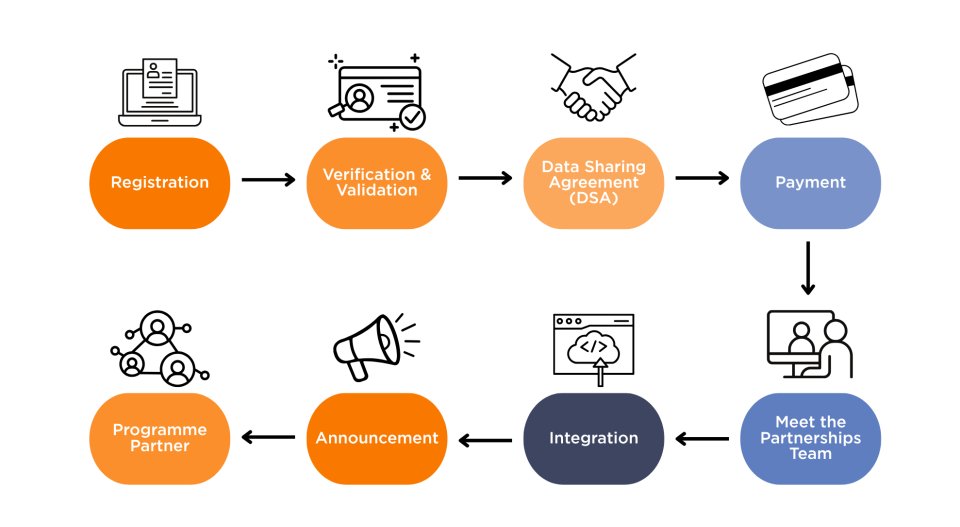
Onboarding Journey:
Cost:
 What Does a Programme Partner Receive?
- Public recognition, with their logo listed on the StopNCII.org website.
- Invitation to significantly contribute to and actively engage across the full StopNCII.org programme.
- Implementation and use of StopNCII.org’s hash-matching technology to combat NCII on its platforms and/or services.
- Enhanced visibility, additional partner benefits, and broader access to the StopNCII.org programme, including its activities, engagements, and network.
- Compliance with the minimum requirements needed to prevent NCII according to the evolving legislative and regulatory landscape.
- Participates in partner summits, convenings, and working groups.
- Has access to opportunities for knowledge-sharing and influence, contributing to the development of tools, policies, and best practices.